First Time in Washington, D.C.: Must-Visit Museums, Historic Sites & Places to Eat
There’s something uniquely surreal about visiting Washington, D.C. for the first time. You’ve seen the Capitol dome on television, learned about the Smithsonian museums in school, and watched history unfold on these very streets - but actually standing there makes it all feel remarkably real.
Our first trip to Washington, D.C. was especially meaningful because sightseeing wasn’t actually the primary reason we traveled east. This was, at its heart, a family trip. We came to spend precious time with loved ones, meet the newest little member of our family, and reconnect after a season that reminded us just how important that time together really is.
But while we were there? We definitely made the most of it! :)
From getting the unbelievably special opportunity to stand on the Senate floor to exploring Black Broadway, going undercover at the International Spy Museum, spending hours immersed in African American history, and eating some truly ridiculous food along the way, D.C. surprised me at practically every turn.
If you’re planning your first trip to Washington, D.C., these are the museums, historic sites, neighborhoods, and restaurants that made the biggest impression on us.
First Time in Washington, D.C.
Tour the U.S. Capitol
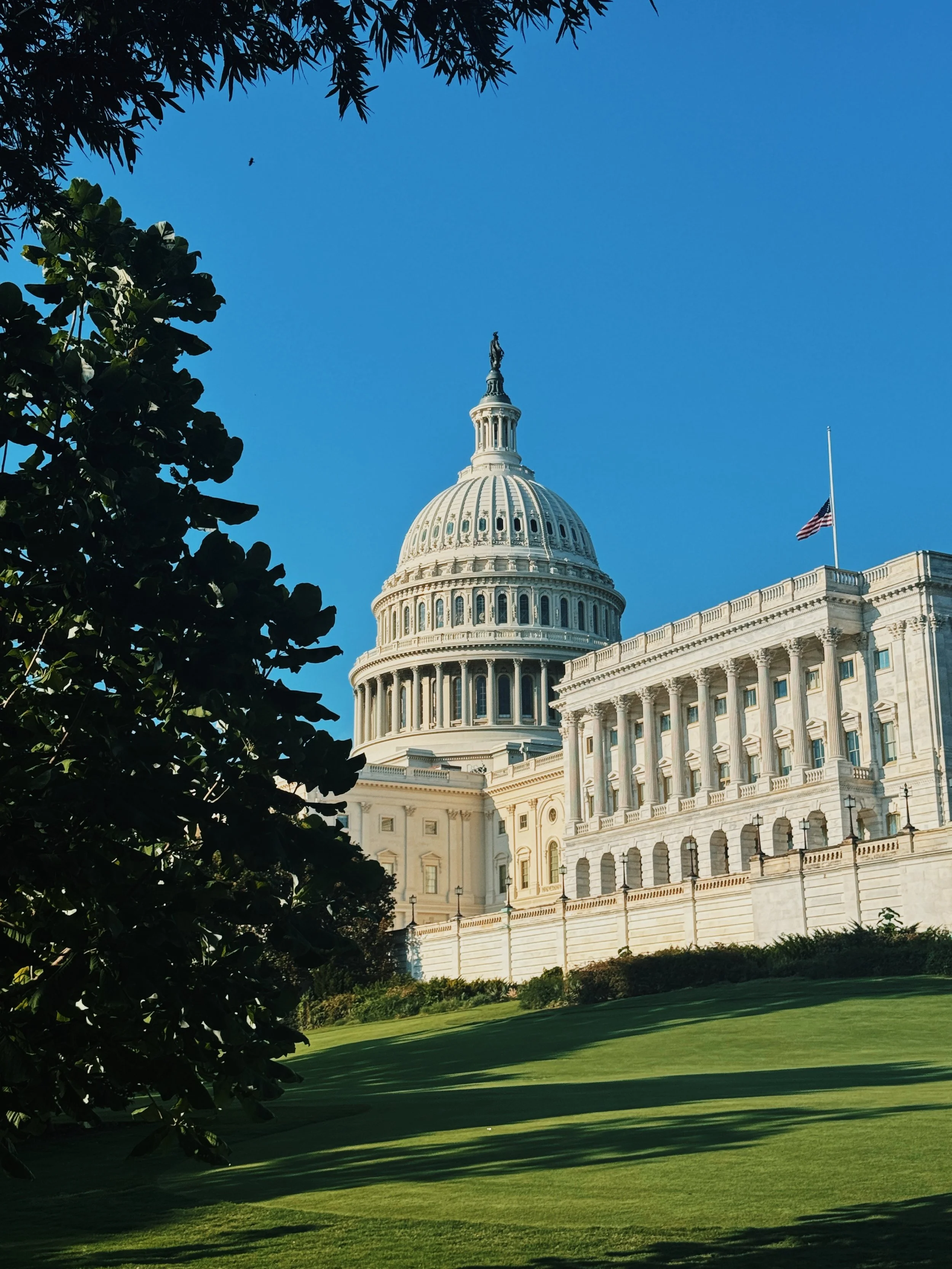
If it’s your first time in Washington, D.C., touring the U.S. Capitol absolutely deserves a place on your itinerary.
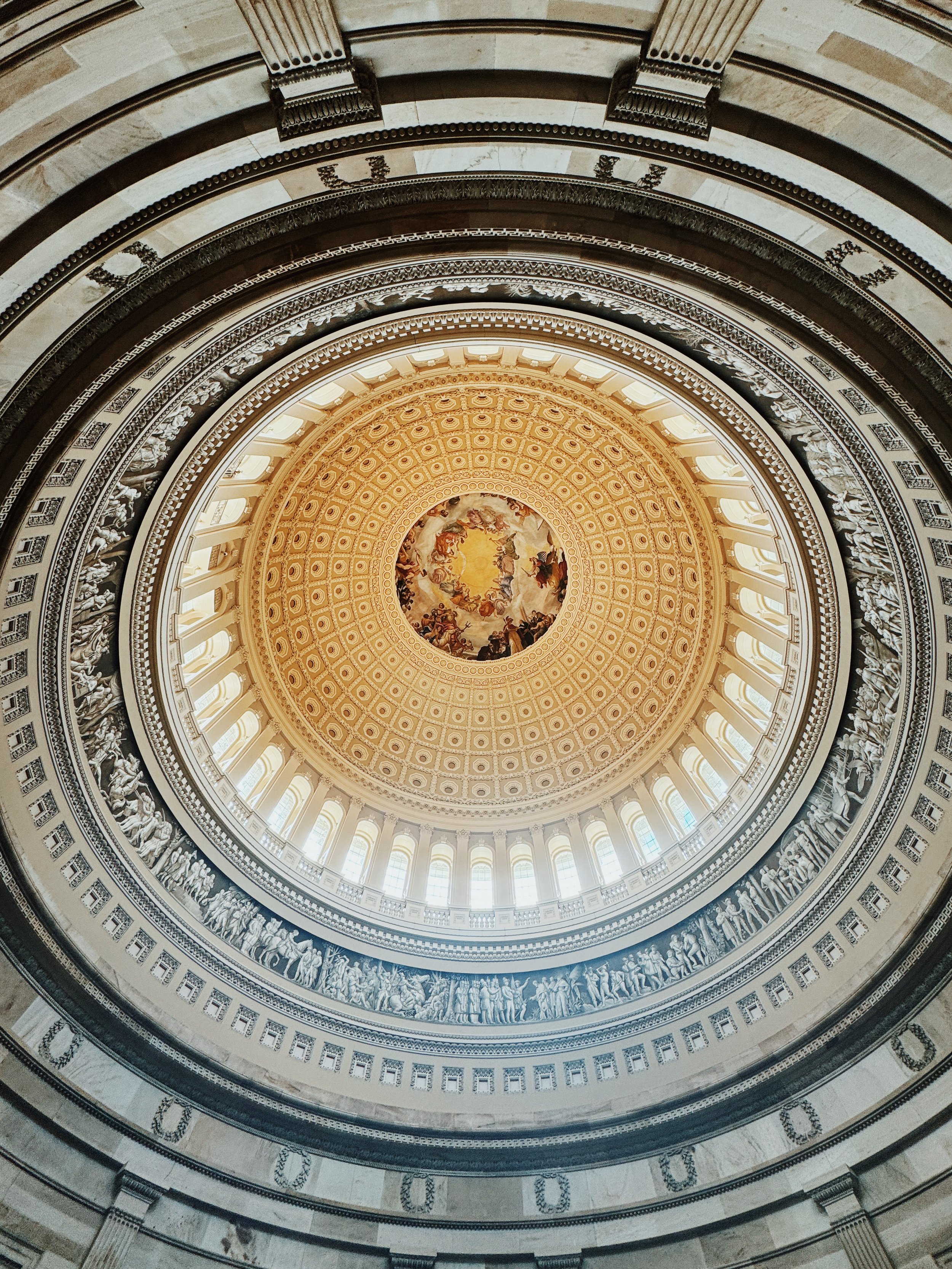
Walking beneath the Rotunda dome is one of those experiences where photographs simply cannot communicate the scale. Look waaaay up and you’ll see Constantino Brumidi’s The Apotheosis of Washington overhead, surrounded by the incredible architecture of the dome.
Another highlight was National Statuary Hall, where states select two notable figures to represent their history. What I didn’t realize before our tour is that those selections don’t have to be permanent!
As Washingtonians, we were especially excited to learn more about our own state’s representation. Marcus Whitman has represented Washington for decades, but his legacy - and the mythology once surrounding his role in “saving Oregon” - has been reexamined over time. Washington has chosen to replace his statue with Nisqually tribal leader Billy Frank Jr., who dedicated his life to treaty fishing rights, tribal sovereignty, and salmon conservation.
Our other representative, Mother Joseph, has a fascinating story of her own. This iconic nun was essentially a master builder of early Washington, helping establish and oversee construction of hospitals, schools, orphanages, and other institutions throughout the Pacific Northwest.
History is constantly being reexamined as we learn whose stories we’ve elevated, whose we’ve overlooked, and what we want the next generation to remember. Statuary Hall ended up being one of my favorite places to think about exactly that.
Watch the Senate in Session
This was easily one of the most surreal experiences of our entire trip.
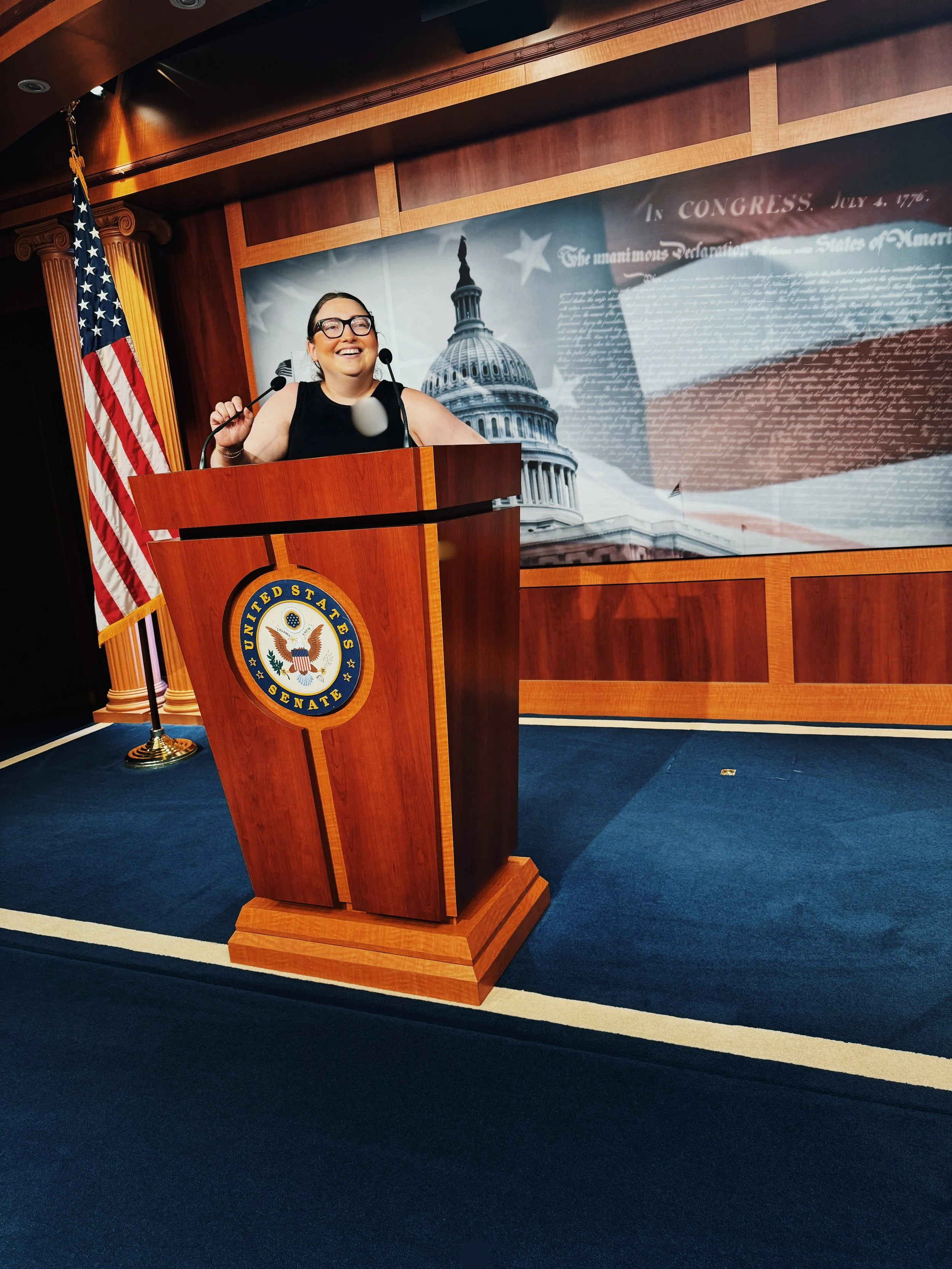
My cousin Rachel works for the Senate, which gave us an extraordinary peek behind the curtain. Earlier in our visit, she escorted us onto the actual Senate floor, where we found our Washington senators’ desks - and yes, I obviously had to locate Bernie Sanders’ desk, too!!
One thing that completely surprised me? The Senate Chamber is tiny! Television makes it seem enormous, but standing inside made me realize just how closely everyone is packed together.
Later in the trip, we returned with gallery passes and watched the Senate while it was actually in session. No photography is allowed inside, so this one exists entirely in the memory bank.
We were sitting surprisingly close to senators including Bernie Sanders, Elizabeth Warren, and Cory Booker, and it happened to be the Senate Pages’ first day. Watching Booker sit with these high school students, chat with them, and seemingly make an effort to welcome them was such a small, human moment amid the formality of the chamber.
Regardless of your politics, seeing the legislative process happen in front of you rather than through a screen is fascinating. If the Senate or House is in session during your D.C. trip and you’re able to visit the gallery, do it!
Go Undercover at the International Spy Museum
Of all the museums we visited, the International Spy Museum wins the award for pure FUN.
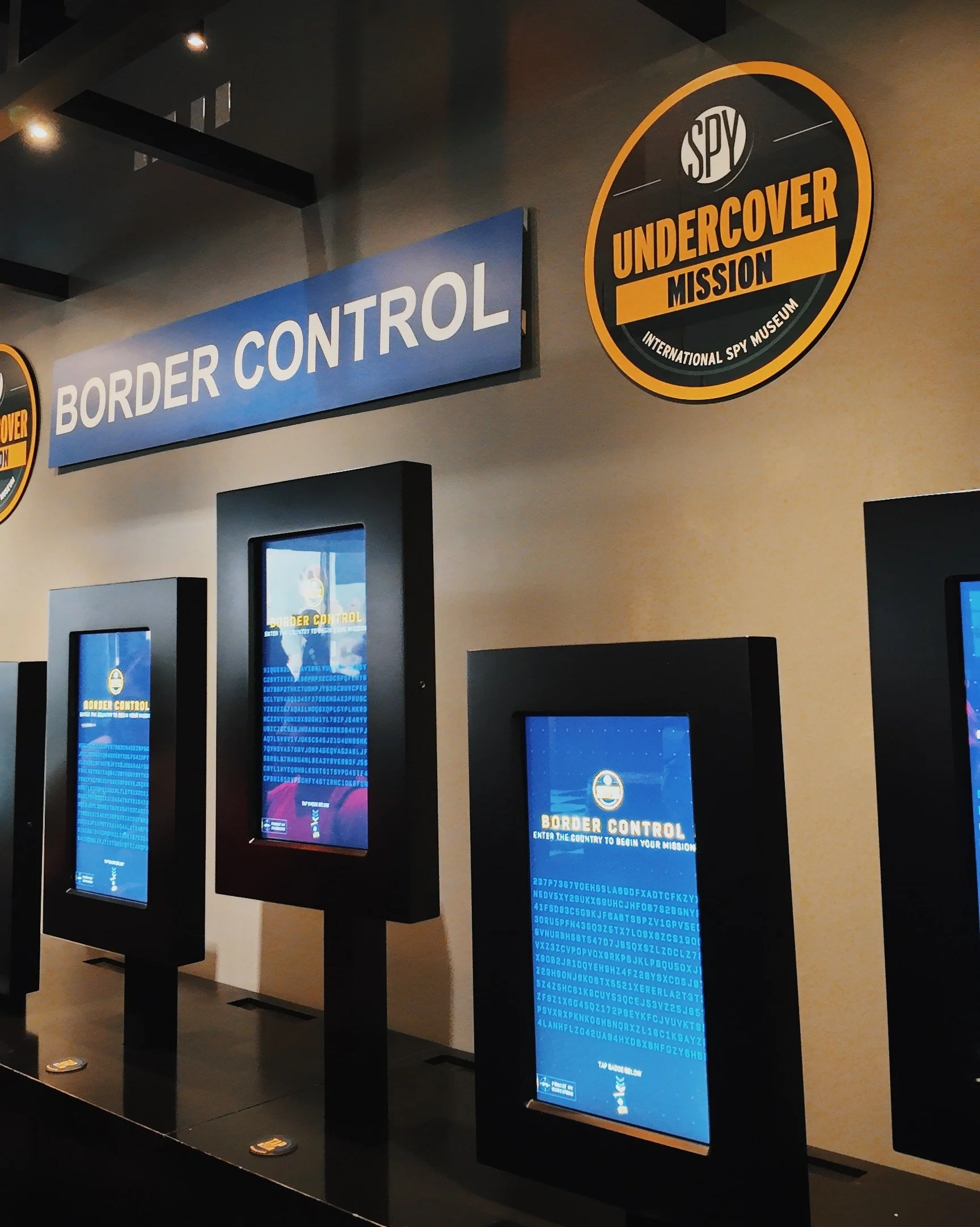
This isn’t simply a collection of spy gadgets behind glass. When you arrive, you’re assigned an undercover identity, given information to memorize, and sent through a series of interactive checkpoints throughout the museum where you complete missions and find out whether you have what it takes to be a spy.
Spoiler alert: espionage is stressful. LOL.
Beyond the interactive experience, though, the museum does a fantastic job exploring the complicated human history of intelligence.
One story that fascinated me was that of James Lafayette, an enslaved man from Virginia who gathered intelligence for the American patriots during the Revolutionary War.
Another exhibit explored Soviet intelligence officer Dmitri Bystrolyotov, who spent years risking his life for the Soviet Union only to be imprisoned during Stalin’s purges. His story was a sobering reminder that behind all the secret codes and gadgets were human beings whose governments sometimes considered them entirely disposable.
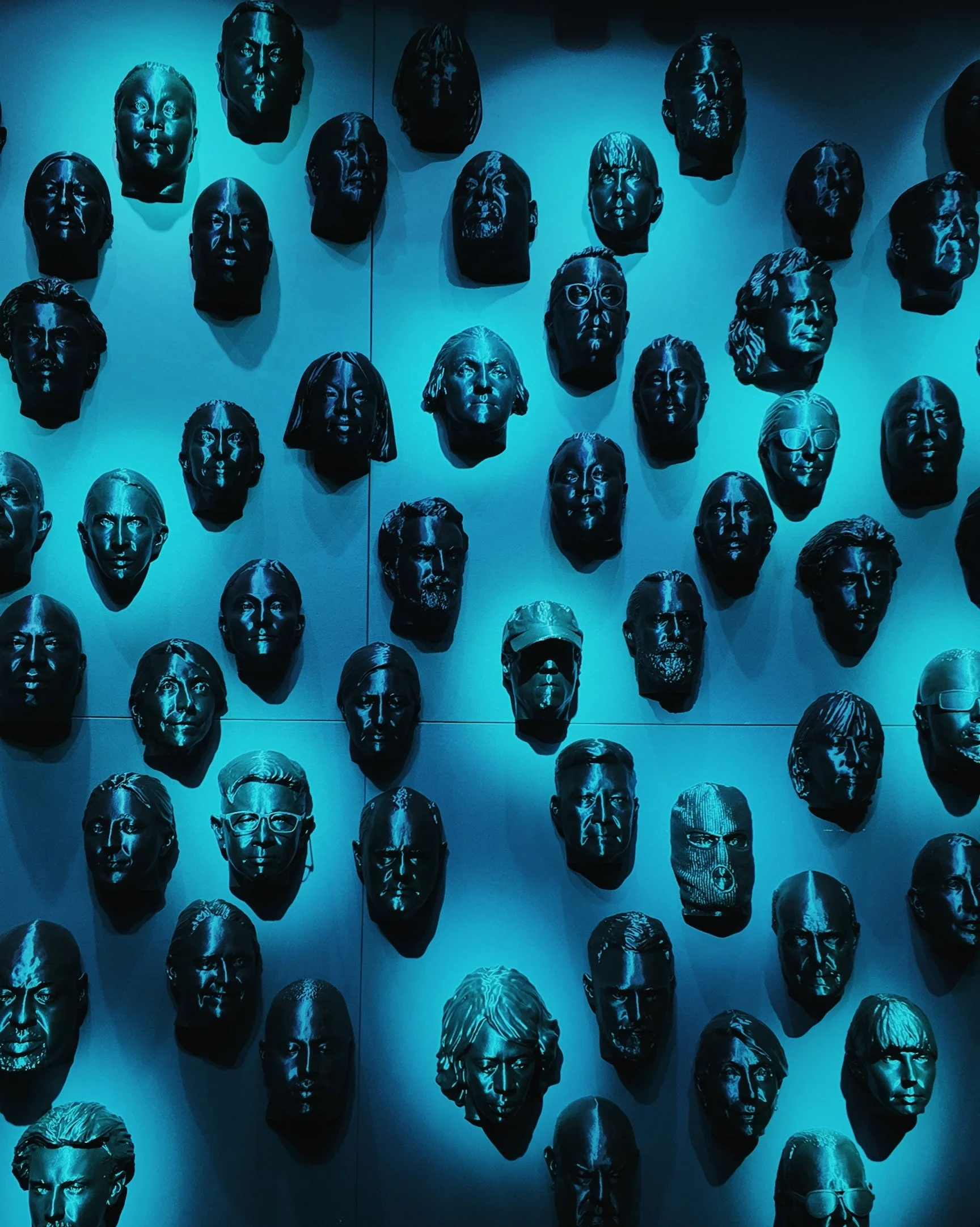
I also loved an installation featuring dozens of different faces - actual museum staff and local artists - within an exhibit about camouflage and identity. In an era of facial recognition and digital tracking, physically disguising yourself is only one tiny piece of concealing an identity.
The International Spy Museum manages to be interactive, educational, weird, occasionally unsettling, and ridiculously entertaining all at once. For us, it was absolutely worth the visit.
Make Time for the National Museum of African American History & Culture
If I could offer one piece of advice about the National Museum of African American History & Culture, it would be this:
Do not try to rush it.
Honestly, I don’t think you can fully experience this museum in one visit.
We deliberately focused on the history galleries this time, knowing we’d have to return someday for more of the museum’s cultural collections.
There are artifacts here that stop you in your tracks.
We walked through a restored segregated railroad car. We saw Harriet Tubman’s shawl. We stood before the Point of Pines slave cabin, a structure that once housed enslaved people on Edisto Island, South Carolina. And then there was Emmett Till’s casket (yes, the real thing).
There are some museum artifacts you intellectually understand are important, and then there are objects whose physical presence changes the atmosphere around you. For me, this was the latter.
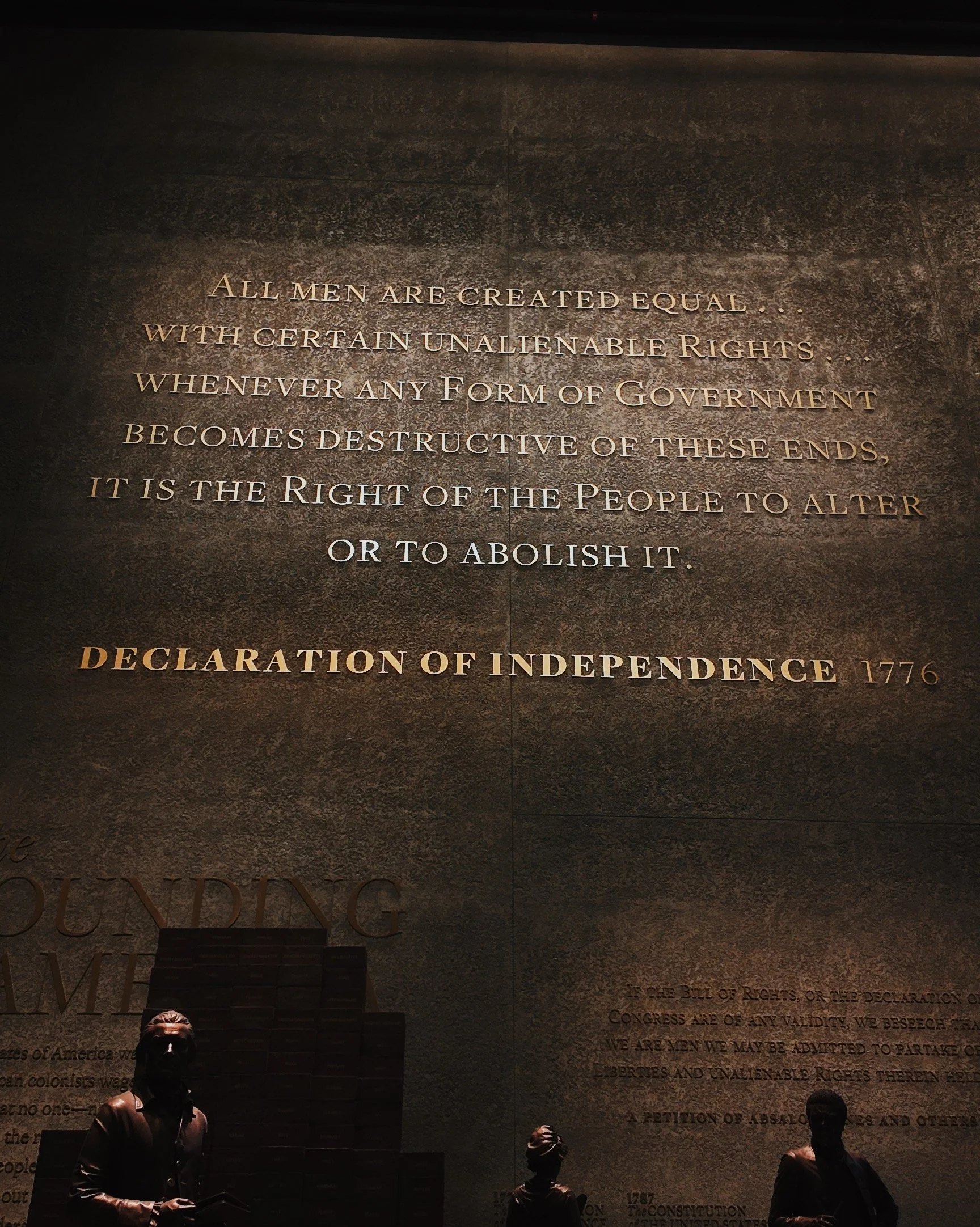
The museum is extraordinarily powerful because these stories aren’t presented as distant, disconnected chapters. You continually see how slavery, Reconstruction, segregation, the Civil Rights Movement, and modern America connect to one another. It left an imprint on me.
And on a significantly lighter, but still important, note: eat at the museum. Seriously!!
The Sweet Home Cafe explores African American culinary traditions from different regions of the United States. We sampled everything from mac and cheese and sweet potatoes to roasted potatoes with rémoulade and banana pudding. Museum cafeteria food has absolutely no business being this good.
Explore Black Broadway and the U Street Corridor
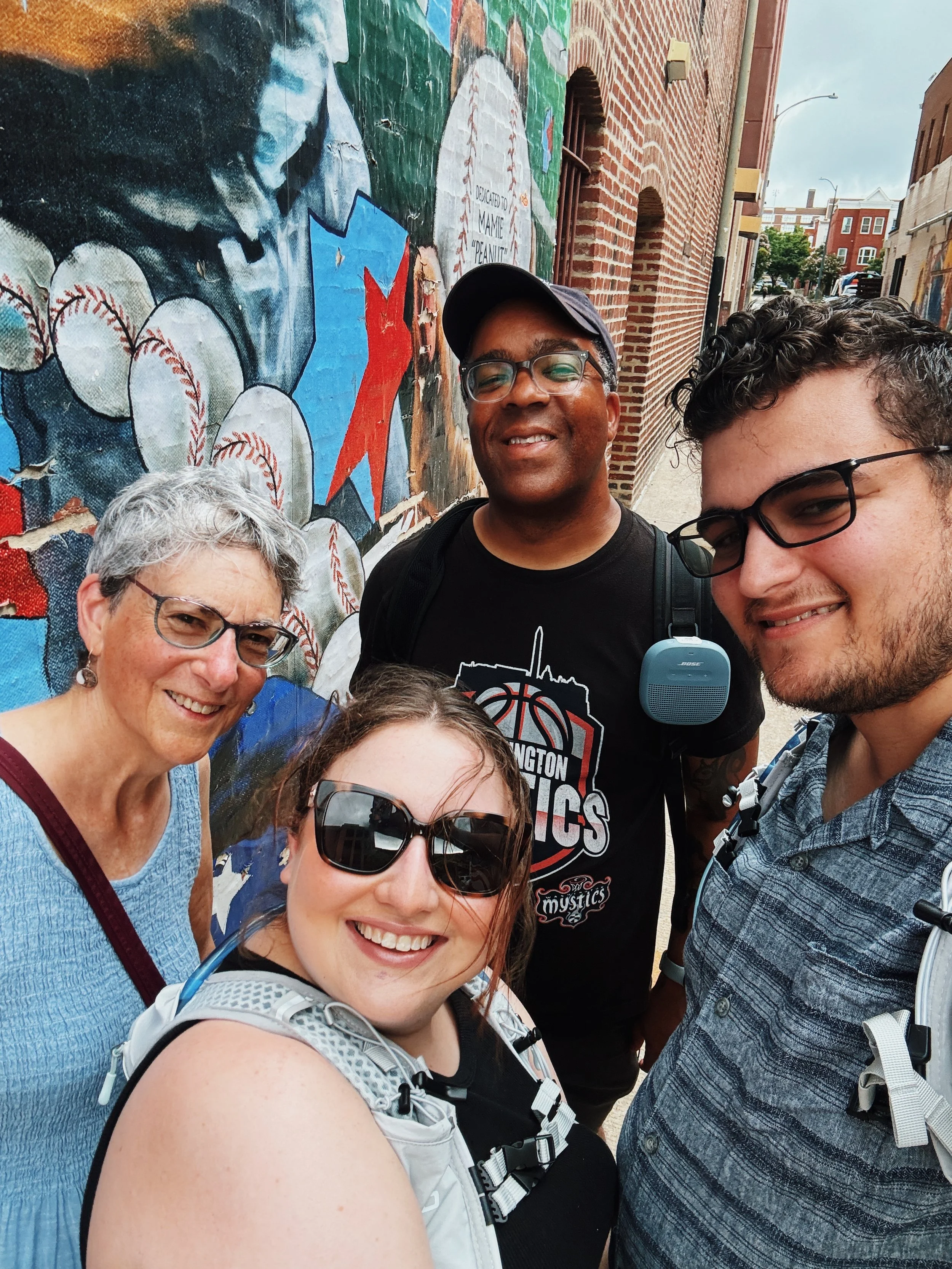
One of my strongest recommendations from our entire D.C. trip is something I probably wouldn’t have known to book without doing a little digging beforehand: a Black Broadway walking tour.
We explored the historic U Street neighborhood with Timothy of Attucks Adams Walking Tours, and he was fantastic.
Before Harlem became synonymous with Black arts and entertainment, Washington’s U Street corridor was already flourishing as a center of Black culture, entrepreneurship, music, and intellectual life. The neighborhood became known as Black Broadway.
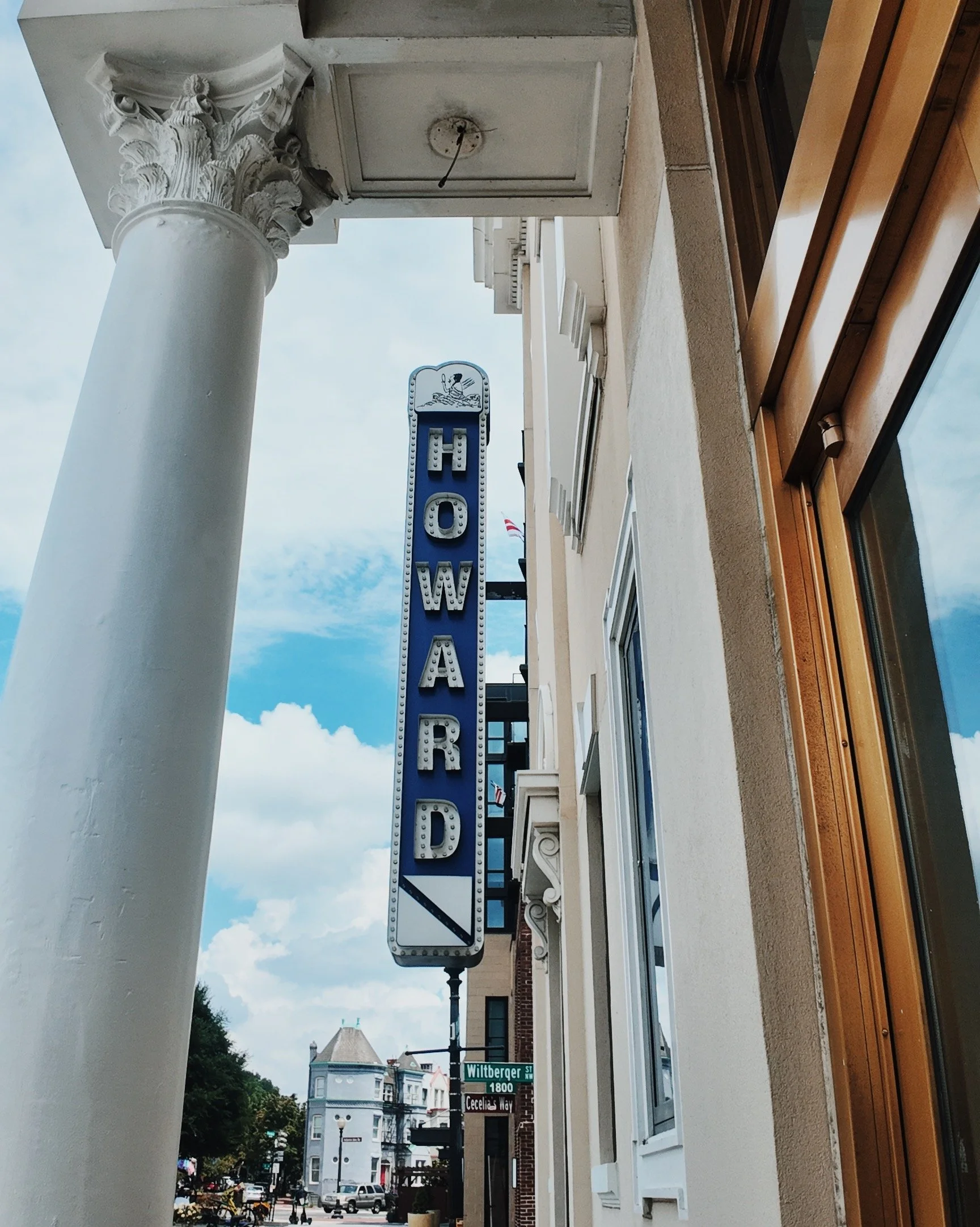
Our tour began at the historic Howard Theatre, which opened in 1910 and became one of the country’s premier venues for Black performers. Artists including Duke Ellington and Ella Fitzgerald are woven into its history.
But the story of Black Broadway isn’t simply a story about jazz. It’s also about businesses, families, activism, segregation, resilience, and loss.
One statistic from our tour has stuck with me: following the unrest that erupted after Dr. Martin Luther King Jr.’s assassination in 1968, only around 50 of approximately 250 businesses in the area survived the destruction and its aftermath. Black Broadway would never quite return to what it had once been.
See the African American Civil War Memorial
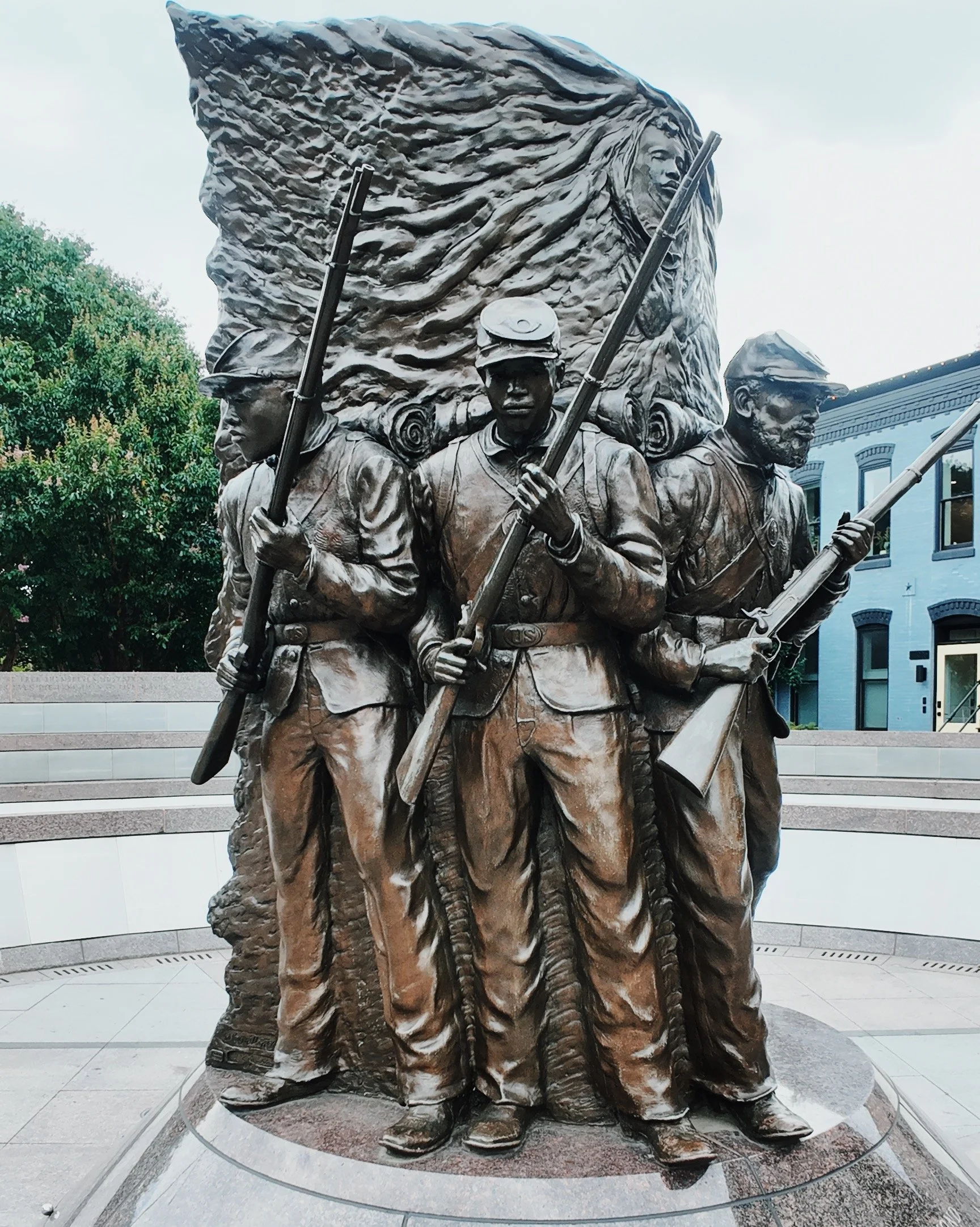
Near the U Street Metro station stands one of the memorials that affected me most: the African American Civil War Memorial.
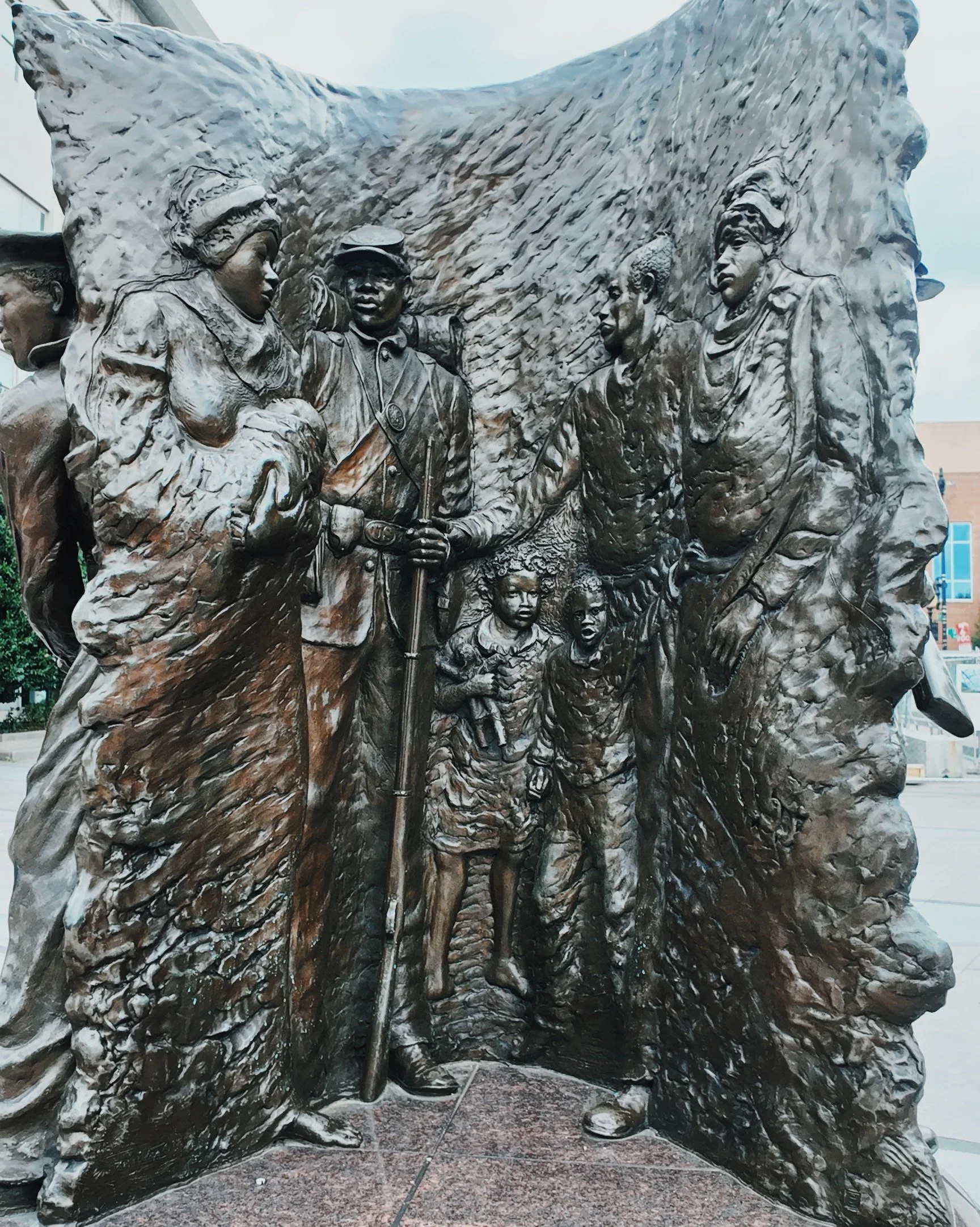
The centerpiece, Ed Hamilton’s The Spirit of Freedom, honors the United States Colored Troops who served the Union during the Civil War.
Approximately 180,000 Black soldiers ultimately served in the Union Army, alongside thousands more Black sailors in the Navy. Their service provided crucial manpower to the Union war effort while transforming the conflict itself into an increasingly explicit fight against slavery.
The sculpture depicts uniformed soldiers on one side and family members on the other - a beautiful reminder that the fight for freedom extended far beyond the battlefield.
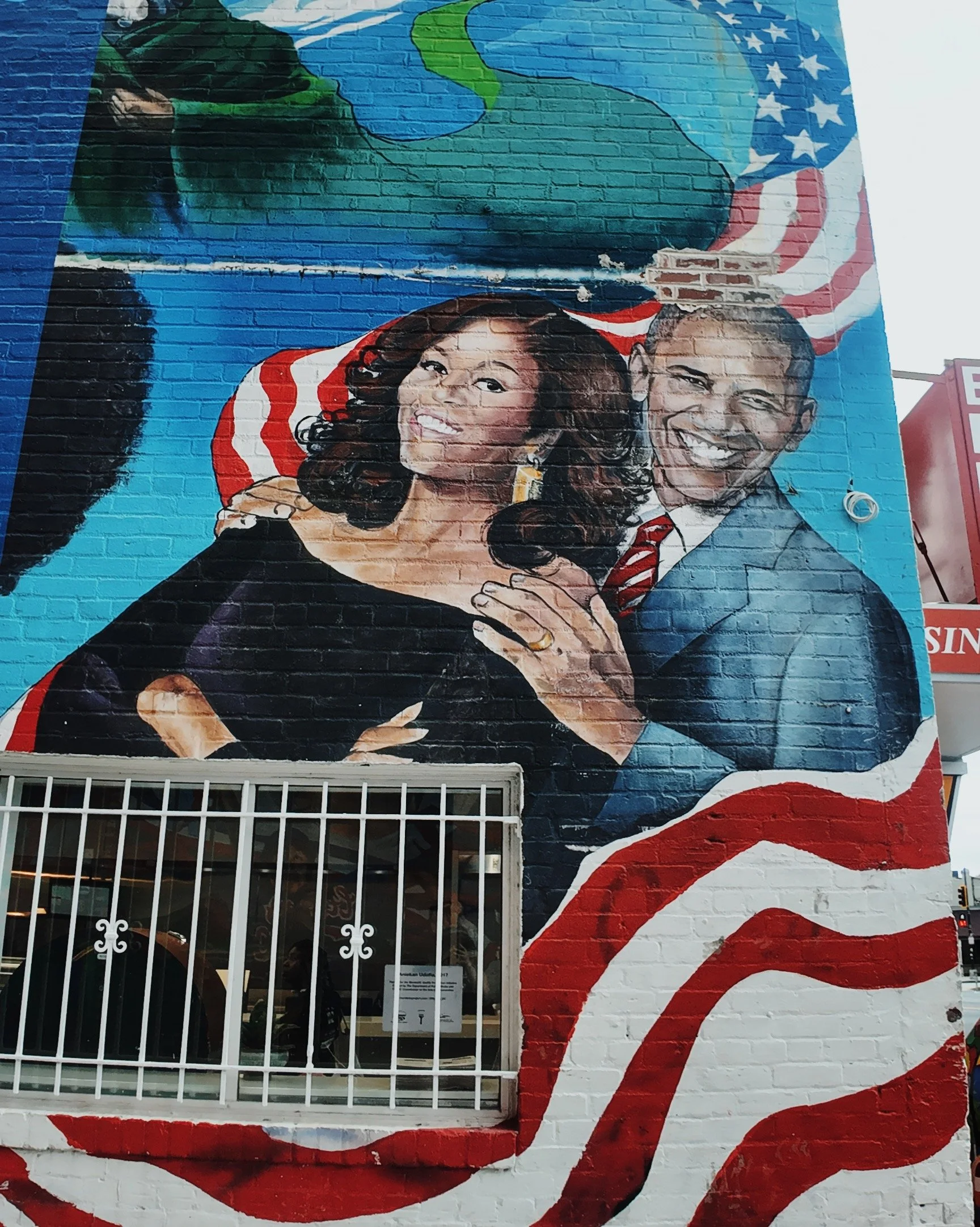
Surrounding the sculpture are the names of those who served (including one of Michelle Obama’s relatives!).
It’s worth stopping here rather than simply walking past on your way through U Street.
Learn the Story Behind Ben’s Chili Bowl
Even if you don’t stop for a half-smoke, you should know why Ben’s Chili Bowl matters.
Founded by Ben and Virginia Ali in 1958, Ben’s became an institution on U Street during segregation and the Civil Rights Movement.
When unrest consumed parts of Washington following Dr. King’s assassination in 1968, Ben’s was among the businesses that remained open, feeding people working in and around the neighborhood.
And somehow, through decades of change, disinvestment, disruptive Metro construction, and redevelopment, Ben’s stayed.
That longevity transforms it from a famous restaurant into something more meaningful: a living piece of Black Broadway.
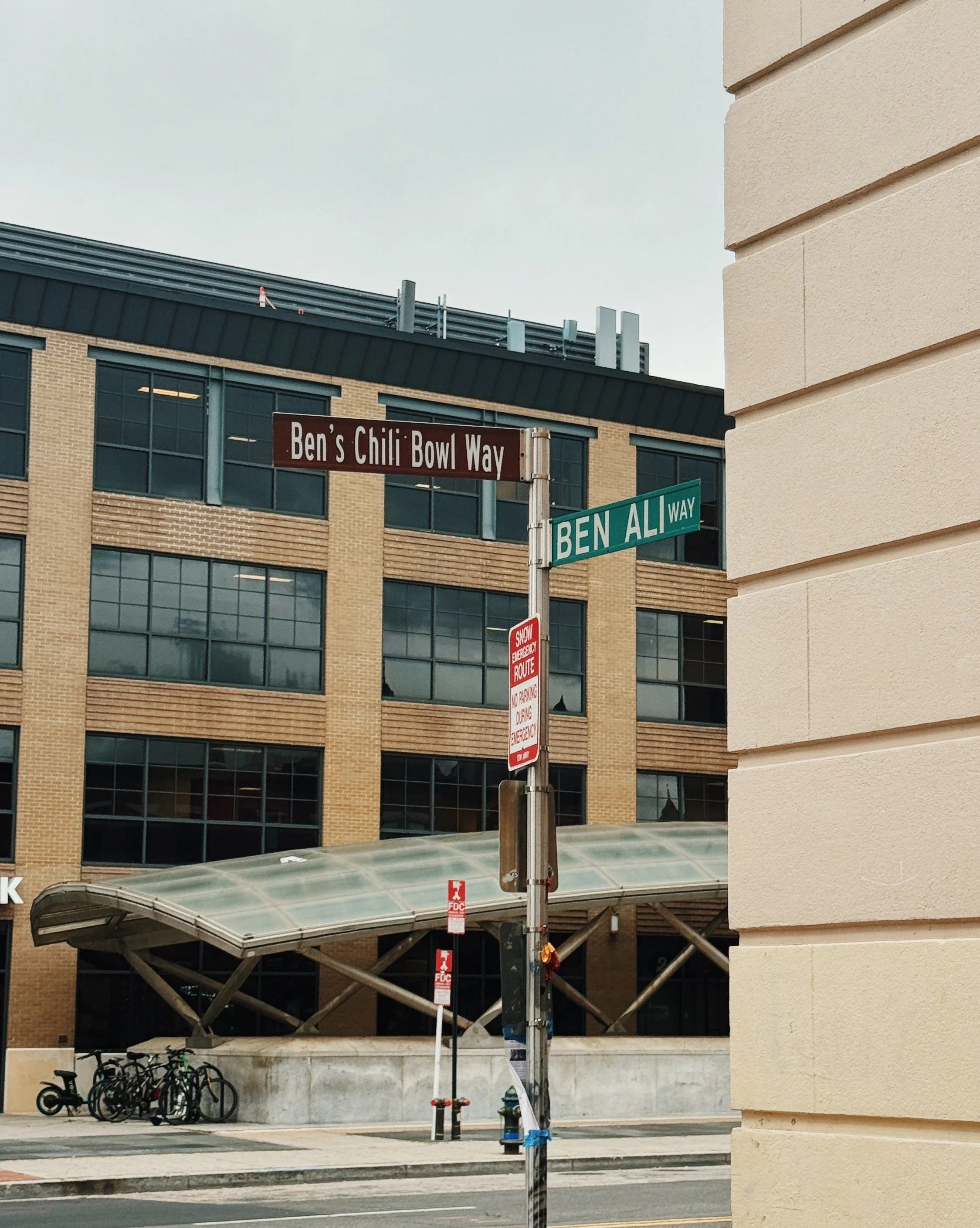
Even the surrounding honorary street names - Ben Ali Way and Ben’s Chili Bowl Way - reflect how deeply the Ali family and their restaurant became intertwined with the neighborhood.
Browse Kramers in Dupont Circle
After spending hours absorbing history, our brains needed a tiny intermission.
Enter: books. :)
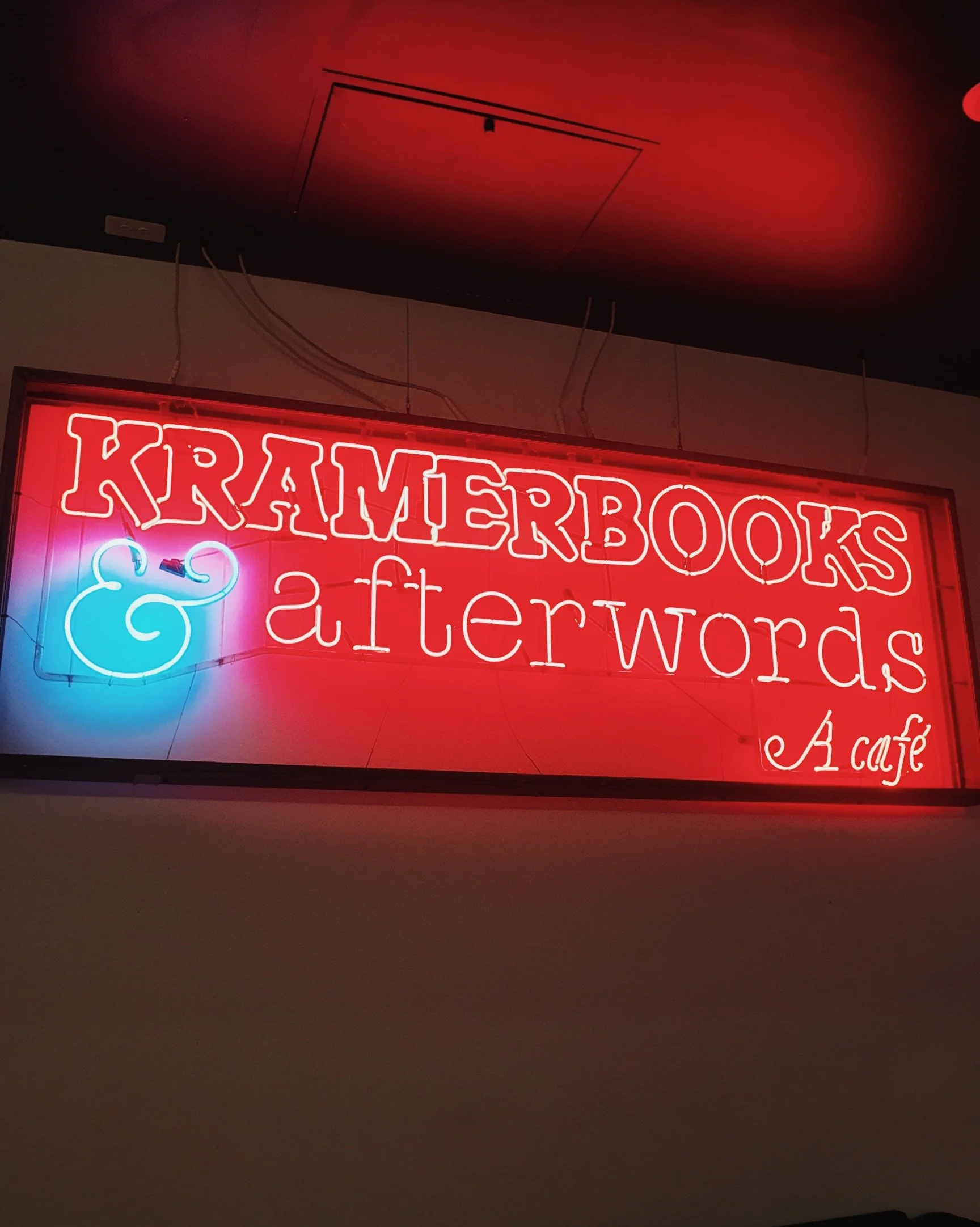
The legendary Kramers in Dupont Circle combines two things I will virtually never say no to: an independent bookstore and food.
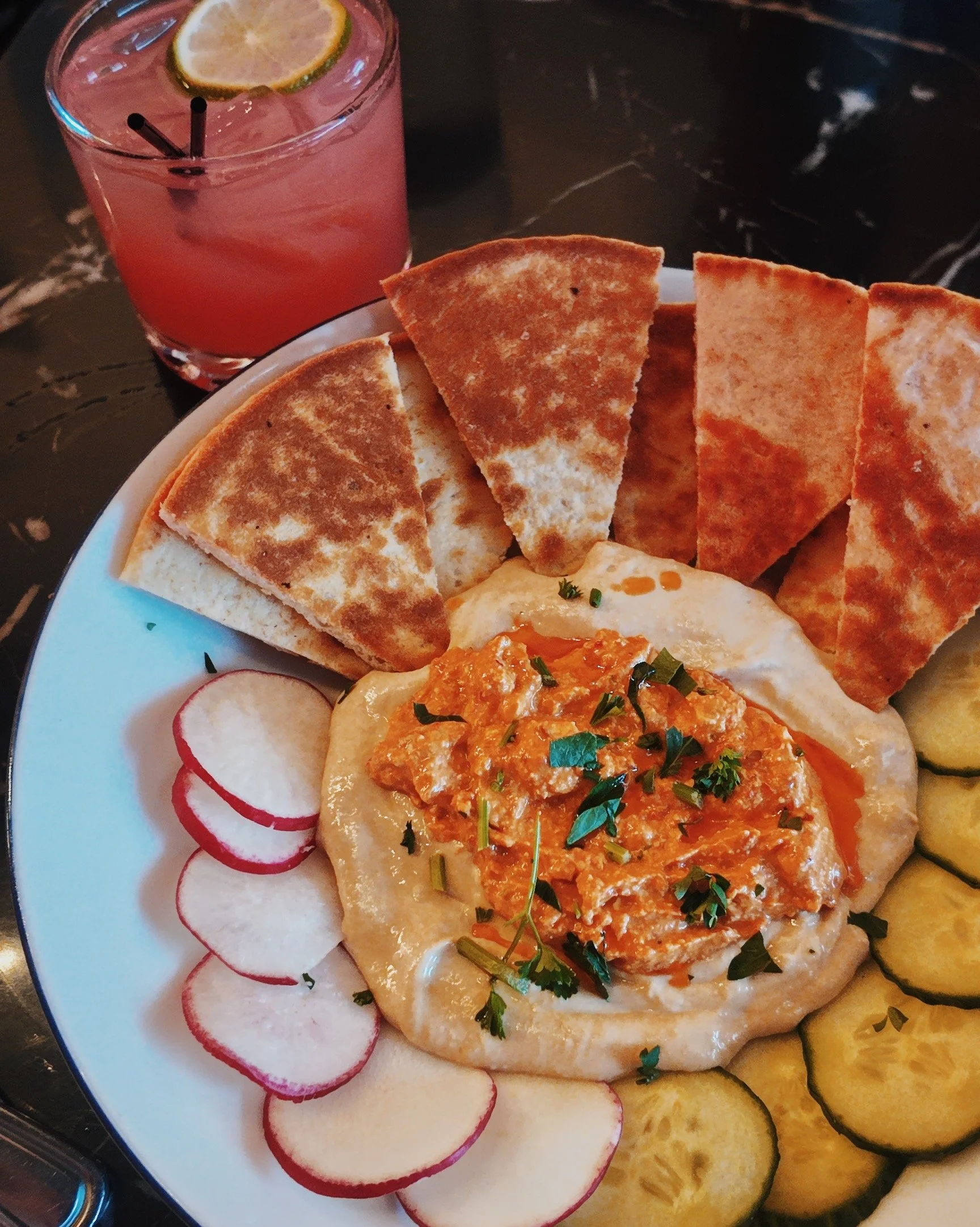
We browsed the shelves, did a little shopping, and grabbed a pre-dinner bite at the cafe. If you’re a fellow book lover looking for somewhere to slow down between D.C. attractions, this is such a fun stop.
Dupont Circle itself is also worth wandering, particularly if your version of sightseeing involves neighborhoods and local businesses as much as monuments.
Have Dinner at Old Ebbitt Grill
Okay.
The pasta.
THE PASTA!!!
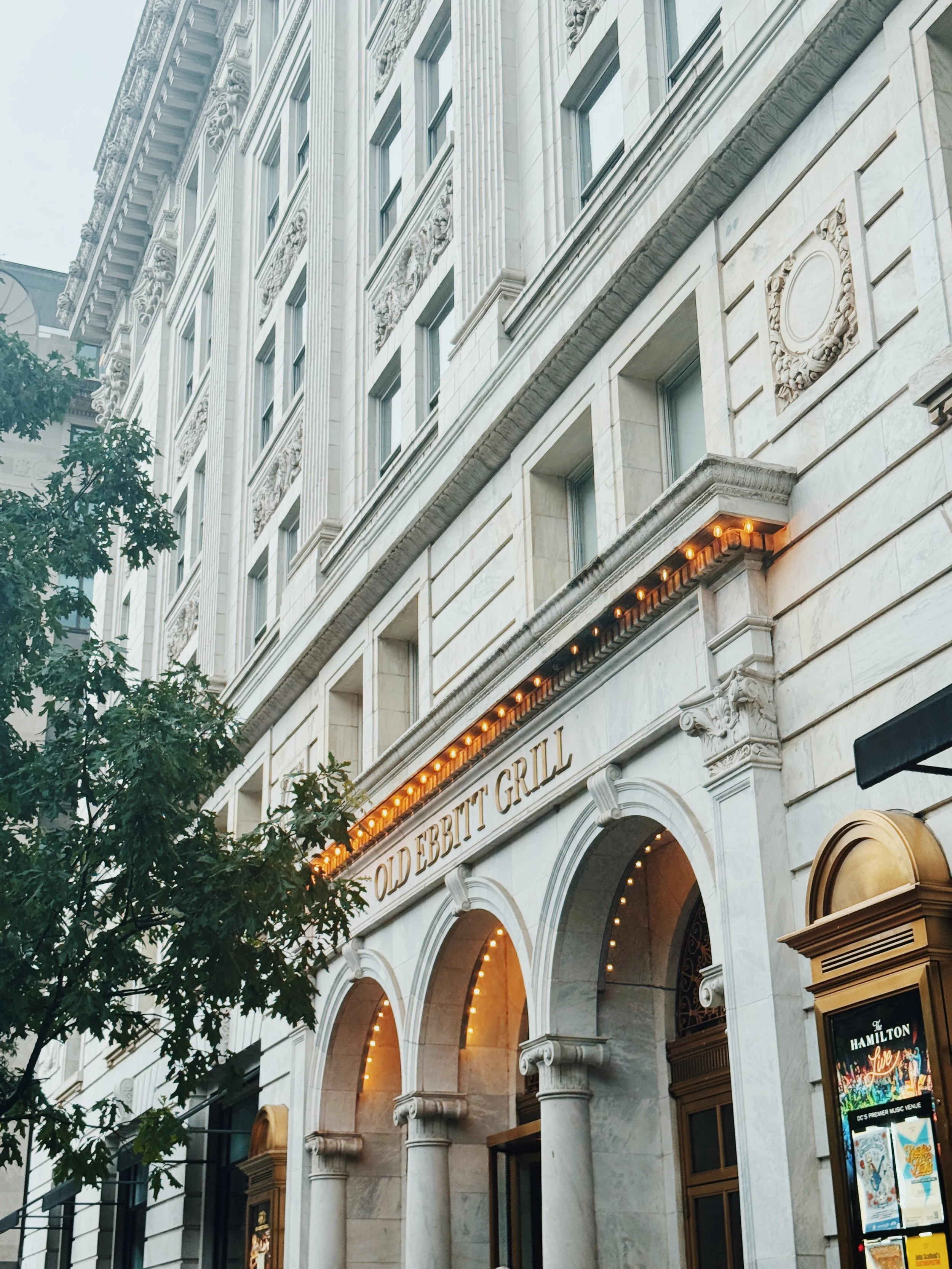
Old Ebbitt Grill is one of Washington’s most famous restaurants and has long been associated with the politicians, journalists, and power players who populate the city.
Thanks to one of Rachel’s coworkers, we were even hooked up with his preferred booth for dinner.
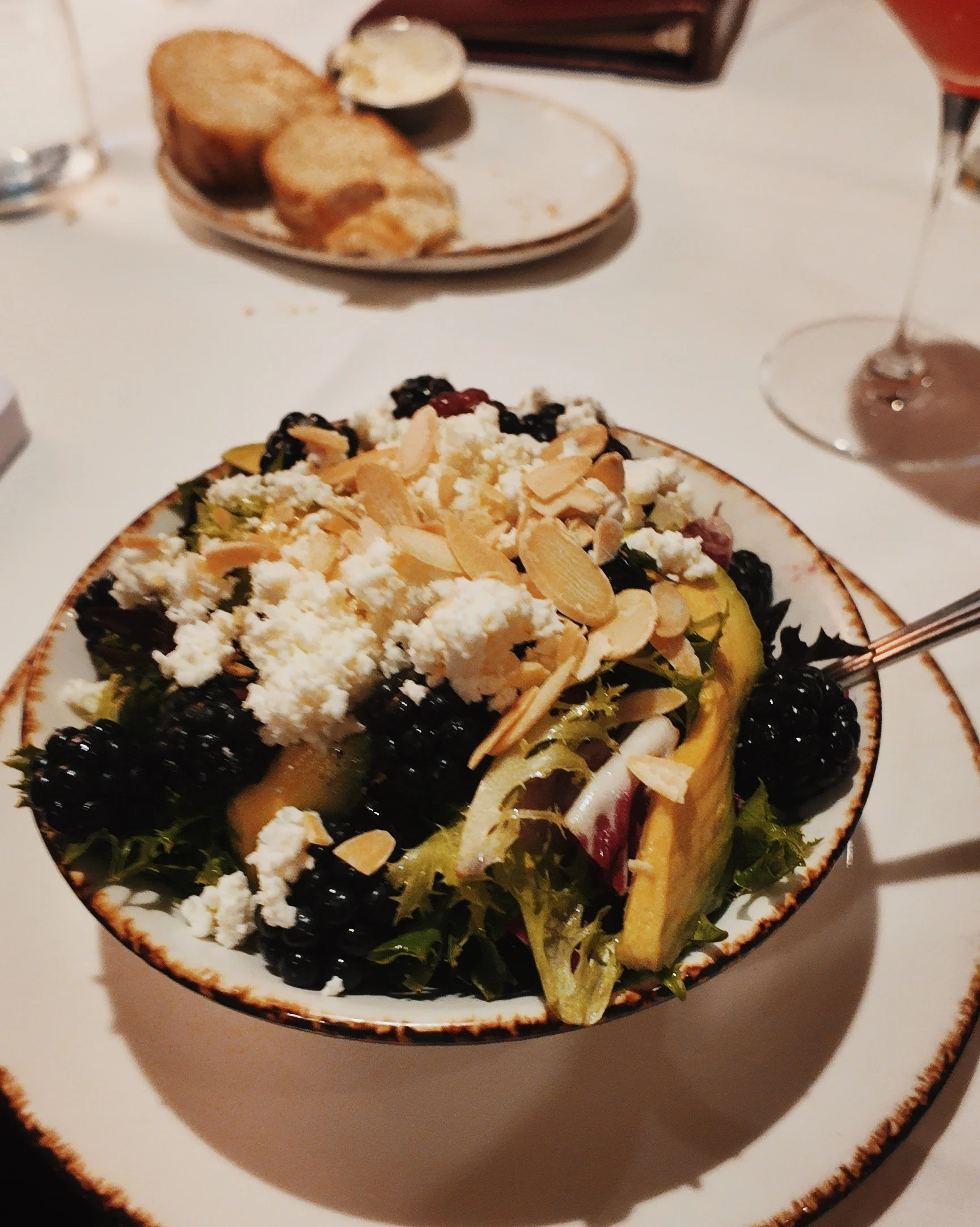
And I am not exaggerating when I tell you that I ate what may have been one of the best pasta dishes of my life.
There are restaurants you visit because they’re historic and restaurants you visit because the food is great. Old Ebbitt managed to deliver both.
We will absolutely be back if I have anything to say about it!
End the Day at The Wharf
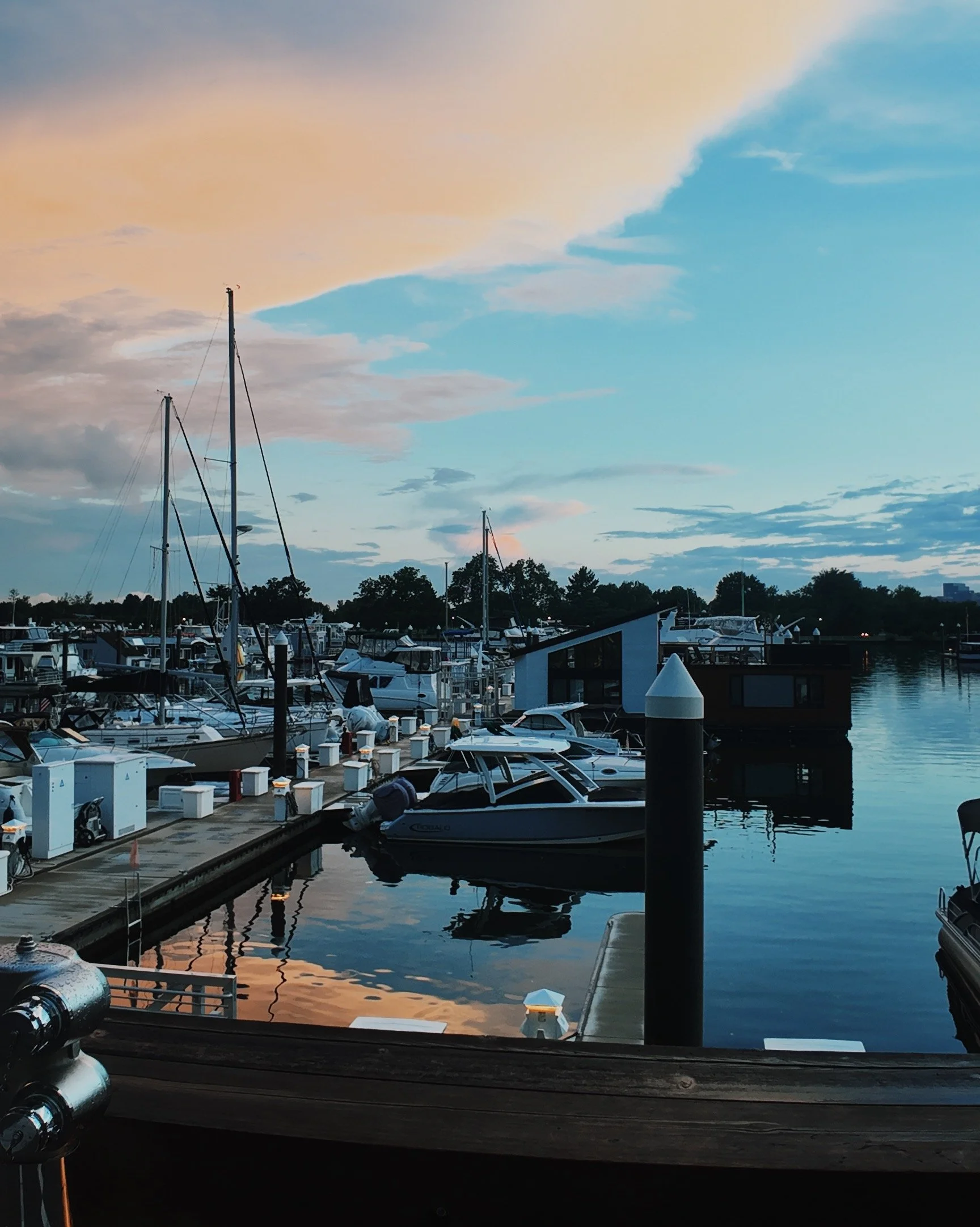
The Wharf was actually a happy accident. We stumbled upon this waterfront neighborhood without really planning to and immediately knew we wanted to return. So we did!
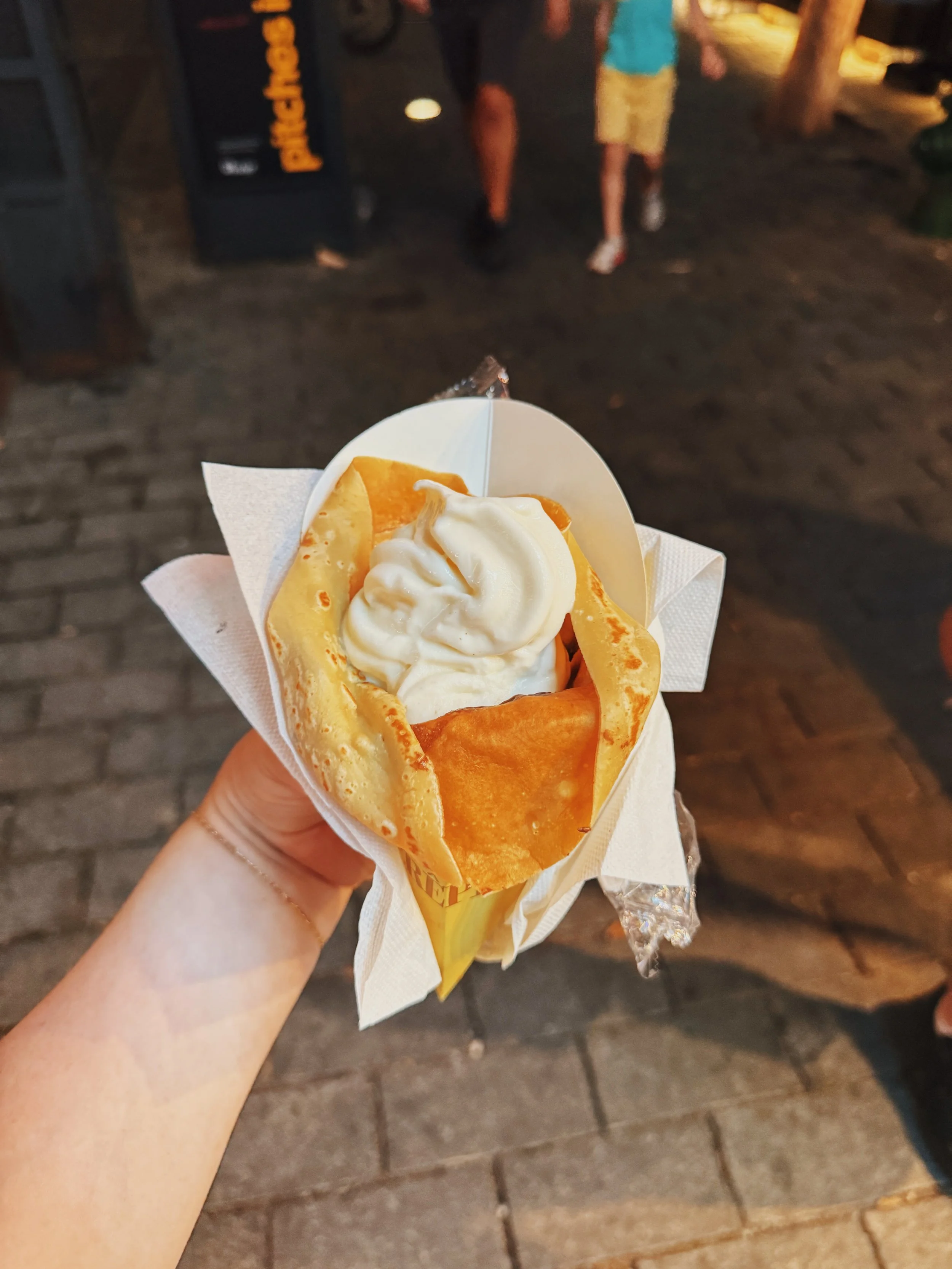
There’s something lovely about ending a very busy D.C. day beside the water as the sun starts going down. On one visit, we grabbed gelato at Pitango Gelato. On another, we had dinner at Mi Vida before discovering crepelles from Milano’s.
Imagine bananas, Nutella, a crepe, and a very healthy serving of vanilla ice cream all rolled together.
Yeah. You understand. ;)
After days filled with museums, history, tours, and approximately one billion steps, sitting beside the water with dessert in hand felt like exactly where we were supposed to be!
What Should You Prioritize on Your First Trip to Washington, D.C.?
If you’re visiting Washington, D.C. for the first time, my biggest advice is don’t make the National Mall your entire trip.
See the Capitol. Visit the Smithsonian museums. Stand beneath those enormous monuments you’ve seen in textbooks your entire life.
But then venture into the neighborhoods. Take the walking tour. Eat at the historic restaurant. Learn why the businesses you’re passing have survived. Give yourself enough time in museums to actually absorb what you’re seeing instead of racing toward the next attraction.
Washington surprised me because it never felt like history was contained neatly behind museum glass. It was everywhere - in buildings, restaurants, neighborhoods, public art, and even the desks where senators still sit today.
And while I left with approximately seventeen more museums added to my “next time” list, I also left understanding this city - and pieces of our country’s story - a little differently than I did when I arrived.
For a first visit, I couldn’t ask for much more than that. :)